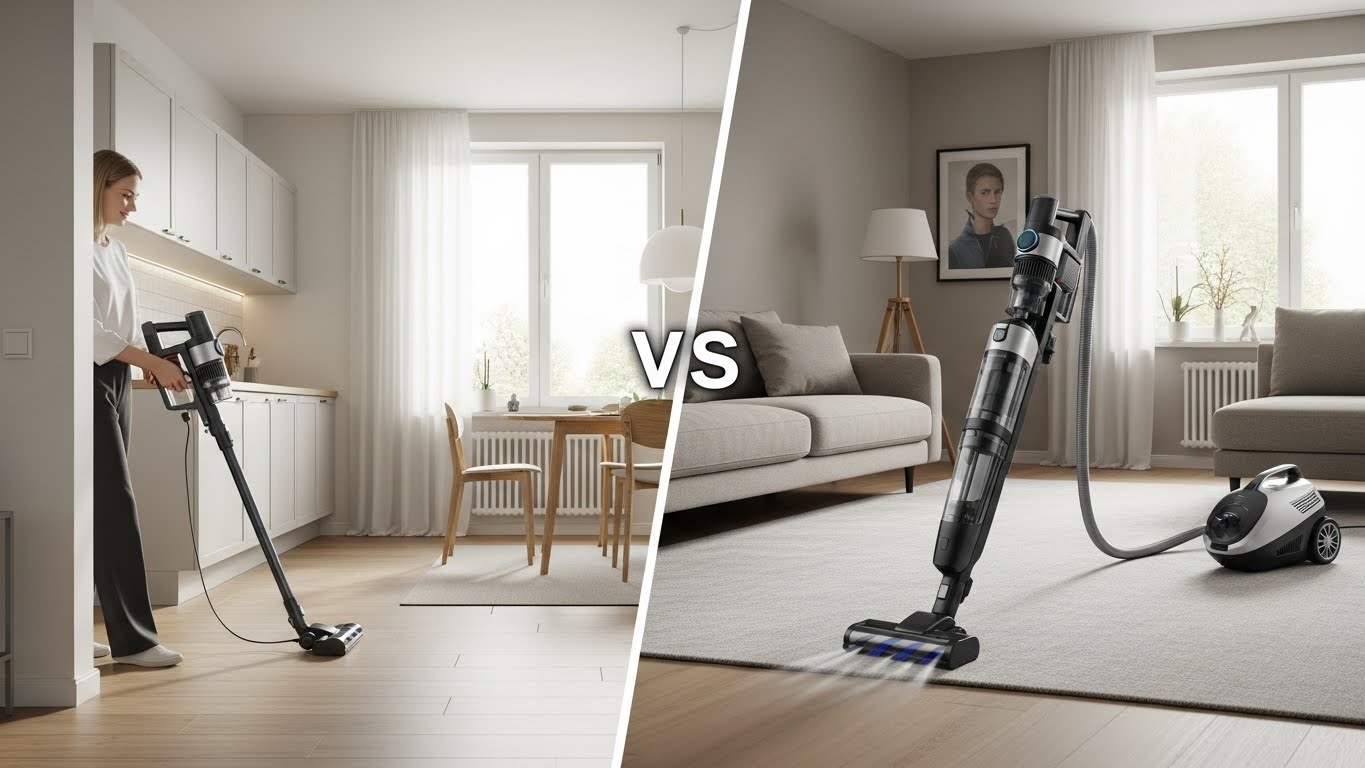
Choosing the right vacuum cleaner is no longer a simple decision. With rapid improvements in battery technology, motor efficiency, and smart cleaning features, today’s buyers are often confused when comparing Cordless vs Corded Vacuums. Each option offers unique advantages, but the best choice depends on how, where, and how often you clean your home.
In 2026, vacuum cleaners are more powerful, lightweight, and specialized than ever before, making it essential to understand what truly fits your needs. Whether you live in a small apartment, a large family home, or share your space with pets, selecting the right vacuum can save time, improve cleaning results, and offer better long-term value. This guide will break down the key differences so you can make a confident, informed decision.
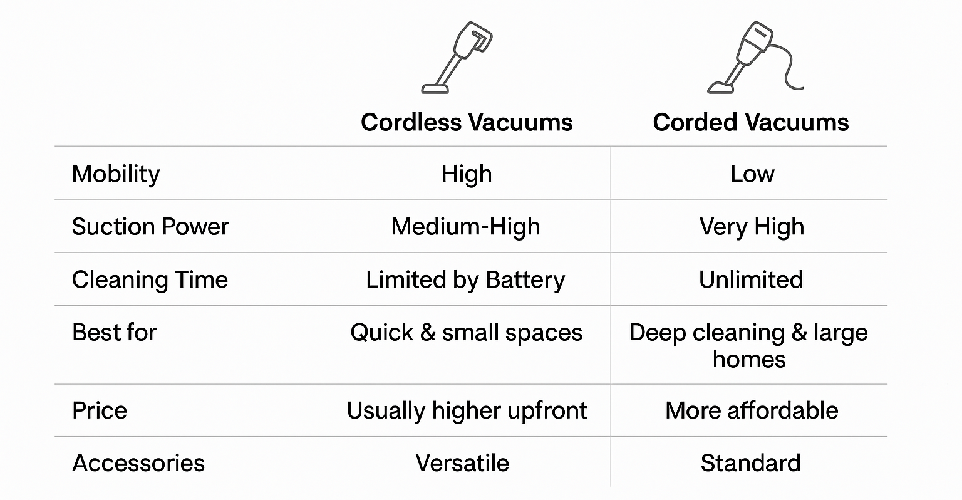
Quick Comparison: Cordless vs Corded Vacuums at a Glance
In-Depth Comparison: Cordless vs Corded Vacuums
When choosing between Cordless vs Corded Vacuums, understanding how they differ in real-world performance is crucial. Below is a detailed breakdown of the most important factors that directly affect cleaning efficiency, convenience, and long-term value.
Suction Power and Cleaning Performance
Corded vacuums are widely known for delivering stronger and more consistent suction. Because they draw power directly from an electrical outlet, they can maintain high performance throughout long cleaning sessions. This makes them especially effective for deep carpet cleaning, thick rugs, and homes with heavy dirt buildup or pet hair.
Modern cordless vacuums have improved significantly in recent years, with better motors and boost modes that offer impressive suction. However, these high-power settings drain the battery quickly, which means performance may drop during extended use. While cordless models are excellent for everyday cleaning, corded vacuums still have the edge when it comes to sustained deep cleaning.
Runtime and Convenience
One of the biggest limitations of cordless vacuums is battery life. Most models offer between 20 to 60 minutes of runtime, depending on the power setting and attachments used. For larger homes, this often means stopping midway to recharge or owning a spare battery. Charging times can also be a drawback, sometimes taking several hours to reach full capacity.
Corded vacuums, on the other hand, provide unlimited runtime. As long as the vacuum is plugged in, you can clean without interruption. This makes them more suitable for long cleaning sessions, large houses, or situations where consistent power is essential.
Portability and Ease of Use
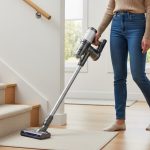
Cordless vacuums clearly win in terms of portability. Their lightweight, wire-free design allows easy movement around furniture, stairs, tight corners, and even vehicles. This convenience is a major reason many users prefer cordless models for quick cleanups and daily maintenance.
Corded vacuums can feel heavier and less flexible due to their power cables. Maneuvering around furniture or switching between rooms often requires unplugging and replugging, which can slow down the cleaning process.
Dust Capacity and Filtration
Corded vacuums usually feature larger dust bins or bags, meaning they need to be emptied less frequently. This is particularly beneficial for larger homes or homes with pets. Many corded models also come with advanced filtration systems, including multi-layer or HEPA filters, which help trap fine dust and allergens more effectively.
Cordless vacuums often have smaller dust containers due to their compact size. While many newer models include good filtration, they may require more frequent emptying and maintenance, which can be inconvenient for allergy sufferers.
Cost Over Time
While cordless vacuums often come with a higher upfront price, the long-term cost is frequently overlooked. Battery performance naturally degrades over time, and replacing a battery can be expensive. For some users, this adds a high hidden cost after a few years of use.
Corded vacuums generally have lower maintenance costs and a longer lifespan because they do not rely on rechargeable batteries. Over time, this can make them a more cost-effective option, especially for users who prioritize durability and consistent performance.
Which One Should You Buy in 2026? A Practical Buyer Guide
When choosing between Cordless vs Corded Vacuums, the right option depends on your home size, cleaning habits, and long-term budget. Use the breakdown below to quickly identify what suits you best.
Best for Small Apartments and Quick Cleanups
Cordless vacuums are ideal if convenience is your top priority.
- Lightweight and easy to carry around small spaces
- No power cords, making storage simple
- Perfect for quick daily cleanups and spot cleaning
- Ideal for renters and apartment living
- Easy to use on stairs, shelves, and tight corners
Best for Large Homes and Deep Cleaning
Corded vacuums are better suited for thorough and extended cleaning sessions.
- Continuous power with no runtime limits
- Stronger and more consistent suction for carpets
- Better performance in multi-room homes
- Suitable for heavy dirt, debris, and high-traffic areas
- No waiting time for charging
Best for Pets and Allergy Sufferers
Choosing the right vacuum is especially important for indoor air quality.
- Corded models often include HEPA or multi-layer filtration
- Better at trapping pet hair, dander, and fine dust
- Larger dust bins reduce frequent emptying
- Pet-specific attachments improve hair removal from carpets and furniture
- Helps maintain cleaner air in allergy-sensitive homes
Budget and Value Picks
Understanding upfront and long-term costs helps avoid surprises.
- Cordless vacuums usually have a higher initial price
- Battery replacements can add to long-term expenses
- Corded vacuums are often more affordable upfront
- Lower maintenance costs over time
- Better long-term value for users focused on durability
Expert Tips Before You Buy
- Battery Care: Avoid fully draining your vacuum, recharge after use, and store in a cool dry place to extend battery life.
- Filter Maintenance: Clean washable filters regularly, let them dry completely, and replace HEPA or non-washable filters as needed.
- Attachment Selection: Use the right tool for each surface, like soft rollers for hard floors, motorized brushes for carpets, and crevice or upholstery tools for corners and furniture.
- Dual Vacuum Use: Use a cordless vacuum for quick cleanups and a corded one for deep or extended cleaning sessions.
FAQs
1. Are cordless vacuums as powerful as corded ones?
Cordless vacuums are great for everyday cleaning, but corded vacuums usually provide stronger and more consistent suction for deep cleaning and large homes.
2. How long does a cordless vacuum battery last?
Most cordless vacuums run between 20 to 60 minutes per charge depending on the model and power setting. Larger homes may require recharging or a spare battery.
3. Which vacuum is better for pet hair and allergies?
Corded vacuums with larger dust bins and HEPA filters are more effective at removing pet hair, dander, and allergens, keeping indoor air cleaner.
4. Are cordless vacuums easier to use on stairs and tight spaces?
Yes. Their lightweight, wire-free design makes them ideal for stairs, furniture, and hard-to-reach corners.
5. Can I use both types of vacuums in the same home?
Absolutely. Many users combine a cordless vacuum for quick cleanups and a corded vacuum for deep, extended cleaning sessions.
Final Thoughts
Choosing between a cordless and corded vacuum in 2026 ultimately comes down to your lifestyle, home size, and cleaning needs. Cordless models offer unmatched convenience, portability, and ease of use, making them perfect for quick cleanups, small apartments, and tight spaces. Corded vacuums provide consistent power, longer runtime, and superior performance for deep cleaning, larger homes, and pet-friendly environments.
By understanding your priorities such as convenience, suction power, runtime, and long-term value, you can select a vacuum that meets your needs today and continues to perform for years to come. For many households, using both types can provide the ultimate cleaning solution, balancing efficiency with flexibility.